







Search Results for: Profile Processing

An In-Depth Analysis of the 90+ Coffee Brand: A Complete Guide to Profile Processing and Geisha Pour-Over Flavor
In the specialty coffee world, mention "90+" and discussions instantly heat up—is there a new bean out? Or have they come up with some novel processing method again? In fact, 90+ (Ninety Plus) is the name of an American green coffee company, named for producing only top-tier beans that score above 90 in cupping. From the stunning debut of Ethiopia's Aricha and Beloya to the dazzling Eleta and Juliet of Panama's Geisha estates, 90+ has relied on its original Profile Processing system to control everything from selection and breeding to processing, redefining the upstream standards of specialty coffee. Today, Front Street Coffee takes you through a comprehensive look at 90+'s past and present, its core processing methods, and the pour-over flavors and brewing suggestions for two Geisha coffees. [more…]
A Complete Guide to Ninety Plus 90+ Geisha Coffee Beans: From Profile Processing to the Origin Flavor Story of Barú Estate
In the specialty coffee world, mentioning "90+" always sparks a wave of lively discussion—what new beans have they released? What unconventional processing methods have they used this time? This American green bean company named Ninety Plus, with its original Profile Processing system, started in Ethiopia and went all the way to Panama to establish the 90+ Geisha Estate, redefining the possibilities of Geisha through technology and dedication. The two Geisha coffees currently on sale at Front Street Coffee, Eleta and Juliette, come precisely from this system. This article will provide a complete overview of 90+'s development trajectory, estate stories, bean information, and brewing suggestions, taking you deep into understanding this brand that allows Geisha to surpass Geisha. [more…]
Yirgacheffe Kochere G2: A Complete Guide to Flavor Profile, Processing Method, and Grind Settings
Yirgacheffe Kochere G2 is a classic among Ethiopian specialty coffees, renowned for its vivid floral aromas and fruity acidity. This article focuses on Front Street Yirgacheffe Kochere G2, outlining its cup profile and flavor performance, its growing region background, and its processing method, while also providing a grinding setting reference. Kochere is located about 25 miles southwest of Yirgacheffe town, where local smallholders deliver their coffee lots to a cooperative for centralized processing. The so-called "Yirgacheffe flavor" is often described as jasmine florals, lemon or lime-like acidity, and peach, almond sweetness, or tea-like notes. This season, Front Street's lot stands out with a particularly pronounced blueberry note in the dry aroma, and after grinding, the whole room fills with blueberry fragrance. The article also introduces Ethiopia's coffee industry and growing elevations to help readers fully understand the source of this bean's flavors and approaches to brewing it. [more…]
Yirgacheffe Hafursa Red Cherry Honey-Processed Coffee Beans: A Complete Guide to Flavor Profile, Origin Background, and Brewing Parameters
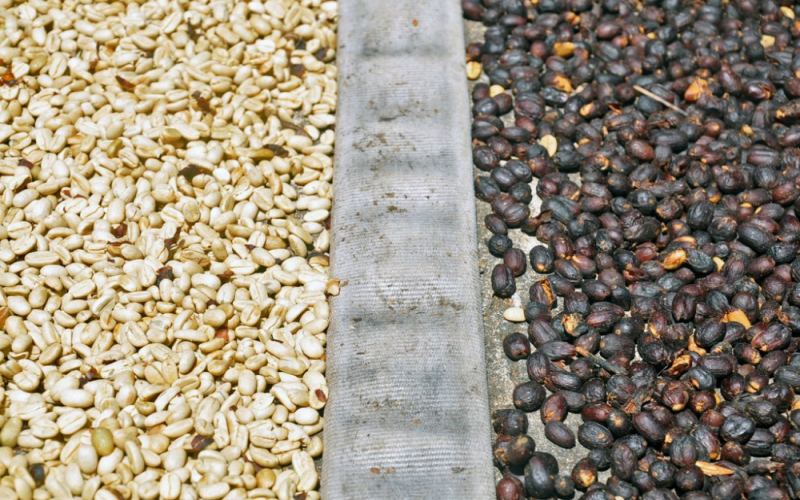
Yirgacheffe, as Ethiopia's most representative specialty coffee region, has long been familiar to coffee lovers for its washed and natural processing. Honey processing, however, has injected new flavor possibilities into this classic region. This article takes the Red Cherry Honey Process Yirgacheffe produced by the Hafursa Cooperative as an example, outlining its flavor profile, regional geography, and cooperative background, analyzing the principles of honey processing and its grading methods, and providing Front Street Coffee's complete brewing parameters and flavor description, helping readers gain a comprehensive understanding of this coffee bean that combines cleanliness with layers of sweetness. [more…]

Front Street Natural Yirgacheffe Red Cherry Coffee Beans Review: A Full Breakdown of Ethiopian Pour-Over Parameters and Flavor Profile
Yirgacheffe has always been a产区 that specialty coffee enthusiasts love to talk about, and the advancements in natural processing in recent years have made Ethiopian beans' flavor even more outstanding. The Natural Red Cherry on Front Street Coffee's bean list is exactly such a Yirgacheffe worth savoring. This article will comprehensively review the flavor profile of this bean, from its regional background and processing method to the roasting approach and pour-over parameters, while also introducing you to the unique features of the Chelchele processing station and the Kochere region. Whether you are a beginner just getting into pour-over or a seasoned connoisseur looking for your next daily staple bean, you will find practical reference information here. Front Street also offers free grinding service to make brewing more convenient. [more…]
Exploring Panama's Volcán Region: The Birth and Flavor Profile of 90+ Company's Geisha Estate Eleta
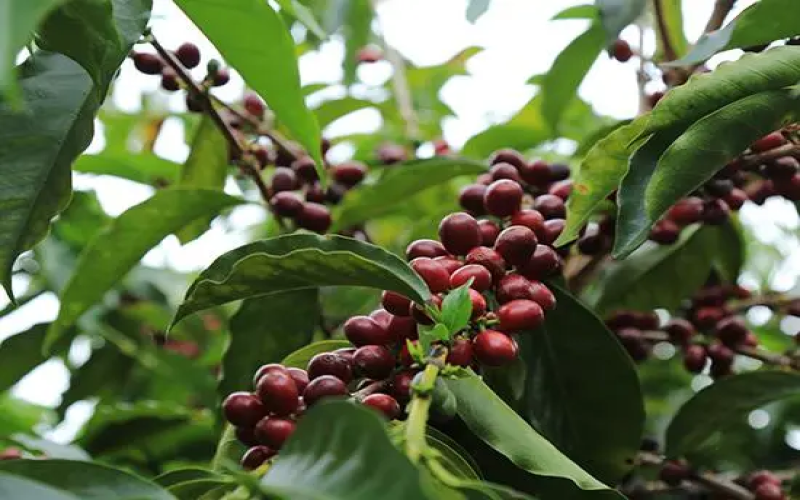
Panama has risen to international prominence in the specialty coffee world thanks to the Geisha variety, and the Volcán region, as one of the country's three major coffee-growing regions, though less well known than Boquete, has gradually emerged with its unique terroir. Joseph Brodsky, founder of 90+, established the 90+ Geisha Estate here and launched series such as Eleta Geisha coffee beans. This article will guide you through the terroir characteristics of the Volcán region, the development history of 90+ and its Profile Processing system, as well as the flavor performance of Eleta Geisha and Front Street Coffee's brewing recommendations, making it suitable for readers interested in specialty coffee to read in depth. [more…]
The Path to Specialty Coffee in a Low-Profile South American Origin: An Analysis of Peruvian Coffee Flavor Characteristics and Washed Processing Taste Profile
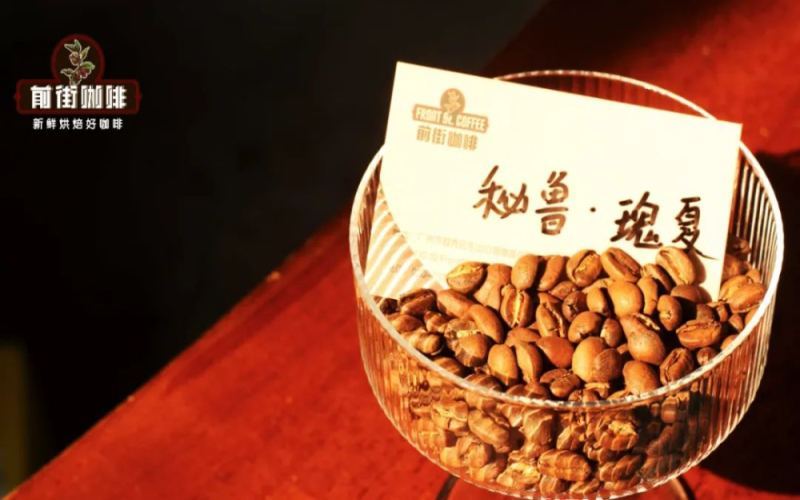
In the world coffee landscape, Peru has long remained low-key, yet thanks to its high-altitude growing conditions, rich microclimates, and predominantly washed processing methods, it has gradually become a coffee-producing region that attracts considerable attention in the specialty coffee world. This article systematically reviews Peru's coffee-producing regions, variety composition, and historical development, analyzes the reasons behind its reputation for cleanliness, gentle fruit acidity, and balanced mouthfeel, and, using a washed Geisha from the Cajamarca region as an example, presents the complete flavor expression from cupping to a three-pour hand brew, helping coffee lovers understand the core question of whether Peruvian coffee is acidic and whether it tastes good. [more…]
Front Street Wahana Estate Natural Mandheling: Flavor Profile and Brewing Highlights of the Estate Natural Process
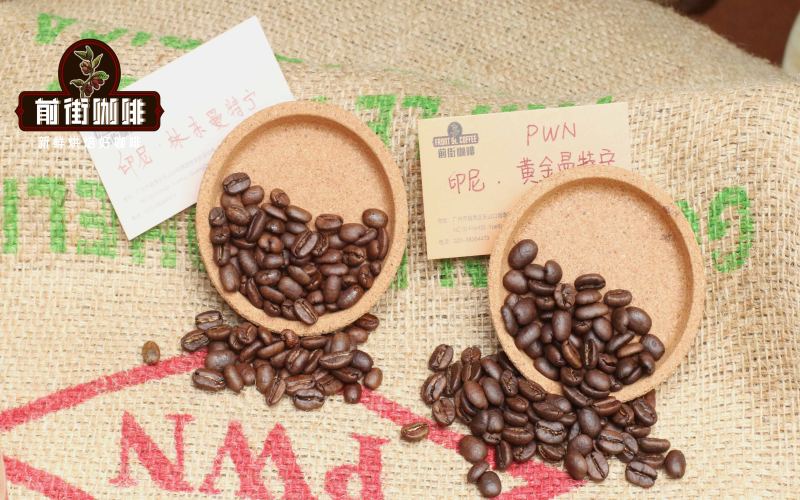
Mandheling is a representative variety of Asian coffee, and its unique flavor is inseparable from Indonesia's traditional wet-hulling method. This article focuses on Front Street Coffee's Wahana Estate sun-dried Mandheling, guiding you through the background of this specialty estate in North Sumatra, the distinctive flavor profile of this sun-dried bean, and brewing suggestions for a light roast. From the estate's planting scale to its processing methods, and on to specific brewing parameters, we present this sun-dried Mandheling that overturns traditional impressions in full. [more…]
Analysis of the Brazilian Pulped Natural Process: A Guide to South Minas Coffee Varieties, Flavor Profile, and Grind Settings
Brazil, as a major producing country on the global coffee map, is arguably second only to Ethiopia in the diversity of its processing methods. Among them, the South Minas region, with its inclusiveness in running semi-washed, natural, and washed processes in parallel, has become the core producing area for Brazilian specialty coffee. This article focuses on Front Street Brazil South Minas coffee beans, systematically reviewing the technical characteristics and flavor advantages of the semi-washed method, and extending to the processing preferences of regions such as Cerrado and the hilly lands of North-Central Minas, while also analyzing the lineage and cup profile of Santos and Bourbon varieties, giving you a comprehensive understanding of this bean's variety, processing method, and grinding setting choices. [more…]
Sidamo Coffee Flavor Characteristics, Taste Profile, Processing Methods, and Grinding Parameters: A Comprehensive Analysis
Sidamo is a highly representative specialty coffee region in Ethiopia, and its flavors display rich variation due to the diversity of its soil, microclimates, and native varieties. This article focuses on Front Street Coffee's selected Sidamo coffee, covering its origin background, cooperative information, flavor description, taste characteristics, differences in processing methods, and roasting and grinding recommendations one by one. The article also sorts out the flavor differences brought by the two processing methods of natural and washed, as well as the respective applicable scenarios of light-medium roast and medium-dark roast, helping coffee enthusiasts gain a more comprehensive understanding of the unique charm of this region. [more…]
Colombia Finca El Viento Sweet Bee Coffee Beans: A Full Analysis of Variety, Grade, Honey Processing, and Flavor Profile
Located in the Santa Barbara production area of Antioquia Department, Finca El Viento sits at 1,820 meters above sea level. Built on a foundation of Colombia and Caturra varieties, it uses a honey processing method to create the micro-lot Sweet Bee coffee. This bean presents a complex flavor profile of honey citron tea, black plum, red grape, and clove, and estate owner Alejandro Trujillo uses self-made covered drying racks for meticulous processing. This article will systematically sort out the origins of coffee cultivation in Colombia, the concept of estate beans and key purchasing points, and provide an in-depth introduction to the specific information and quality characteristics of Finca El Viento Sweet Bee. At the same time, combined with Front Street Coffee's recommendation, it offers coffee lovers a complete reference on flavor and quality. [more…]
Front Street Panama Butterfly Coffee Beans: A Full Breakdown of Variety Composition, Estate Background, and Flavor Profile
Front Street Panama Butterfly coffee beans are a highly representative blend from the Boquete region, composed of three varieties: Geisha, Caturra, and Catuai. This bean carries the distinctive floral aroma of Geisha, along with notes of tropical fruit, berries, and honey sweetness. It is clean and smooth overall, with a long, lingering finish. This article will explore Butterfly's varietal origins, estate history, growing environment, and fine washed processing methods, sorting out why it delivers standout performance in acidity, body, and aroma. It will also explain how washed processing under a medium-light roast shapes its flavor profile, helping coffee enthusiasts gain a more comprehensive understanding of this bean. [more…]
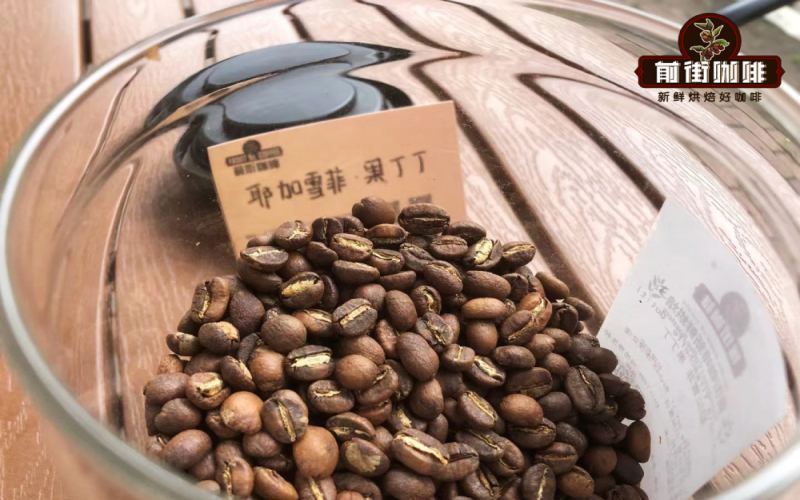
Ethiopian Coffee Beginner's Guide: Flavor Analysis of Five Pour-Over Specialty Beans Perfect for Newcomers
Ethiopia, the birthplace of coffee, is renowned for producing specialty beans with rich floral and fruity aromas and bright acidity. For beginners just getting into pour-over brewing, how to choose a bean from the many producing regions and processing methods that is smooth yet distinctive is the key at the entry stage. This article selects five Ethiopian coffee beans with different styles, covering the two mainstream processing methods of washed and natural, from citrus-acidity types to tropical fruit aromas, from creamy berry notes to floral creamy mouthfeel, and then to the classic character of the famous Geisha estate, sorting out one by one their producing regions, altitudes, varieties and flavor characteristics, to help coffee lovers quickly find an entry-level choice that suits their personal taste preferences. [more…]
Kenya AA Coffee Beans Explained: Grades, Processing Methods, and Flavor Profile
Kenya AA is globally recognized as one of the top Arabica coffees, holding an important place in the specialty coffee world. Among these, "AA" represents the grade based on green bean size, appearance, and density. Kenyan coffee is classified into 7 grades according to this standard, with AA being the highest level, meaning the largest beans and the richest oil content, capable of releasing Kenya's distinctive intense aroma. Most Kenya AA is washed-processed, presenting a refreshingly sweet fruit profile, accompanied by blackberry notes, bright and complex fruit acidity, and grapefruit aroma, while the mouthfeel has an excellent medium body, crisp and refreshing. Front Street Coffee recommends this bean as the top choice for exploring African specialty coffee. [more…]
What brand is Ninety Plus? Uncovering the 90+ coffee bean scoring standards, exclusive processing system, and Panama estate
In the world of specialty coffee, there is one name that is almost synonymous with "ultimate"—Ninety Plus, which we commonly call 90+. What makes it stand out to coffee professionals worldwide? The hard metric of scoring above 90 points in SCAA cupping is only the starting point; what is truly astonishing is its complete control from seed to cup: the exclusive Profile Processing production system, its own Gesha estate in Panama, and a unique system that uses flavor symbols instead of traditional processing method labels. This article gives you a systematic understanding of 90+'s brand core, grading logic, and flavor philosophy, along with practical brewing suggestions from Front Street Coffee for brewing 90+ Candor. [more…]
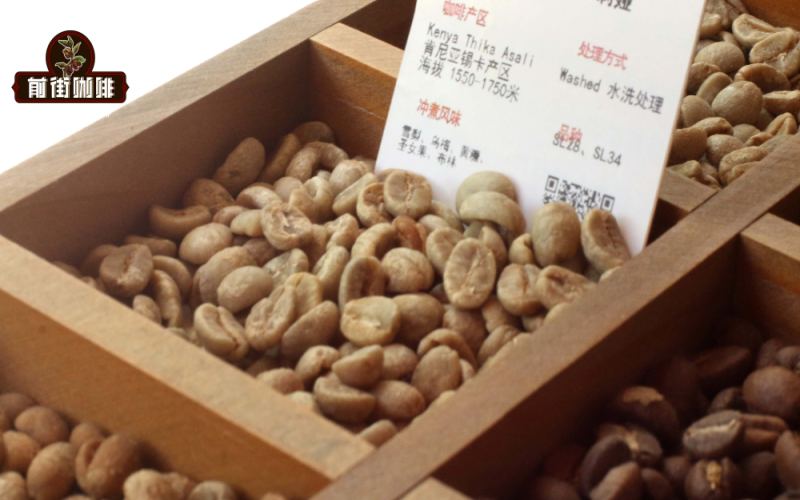
Kenya Double Washed Coffee Explained: Processing Steps, Flavor Profile, and Front Street Cherry Tomato Recommendation
Washed processing has always been known for its clean and bright flavor, while double washed processing adds an extra rinsing and fermentation stage to the traditional craft, making the coffee's fruity acidity more pronounced and its body fuller as well. This article will break down the two rounds of fermentation in double washed processing in detail, from density sorting, depulping and soaking, to the second wash and sun drying, explaining step by step how each stage affects the flavor. It will also introduce the Front Street Coffee Kenya Cherry Tomato, a bean that uses a medium-light roast, presenting a sweet-and-sour, juicy sensation interwoven with cherry tomato, snow pear, plum, and berry notes, with a caramel finish, a classic aroma, and rich layers. [more…]
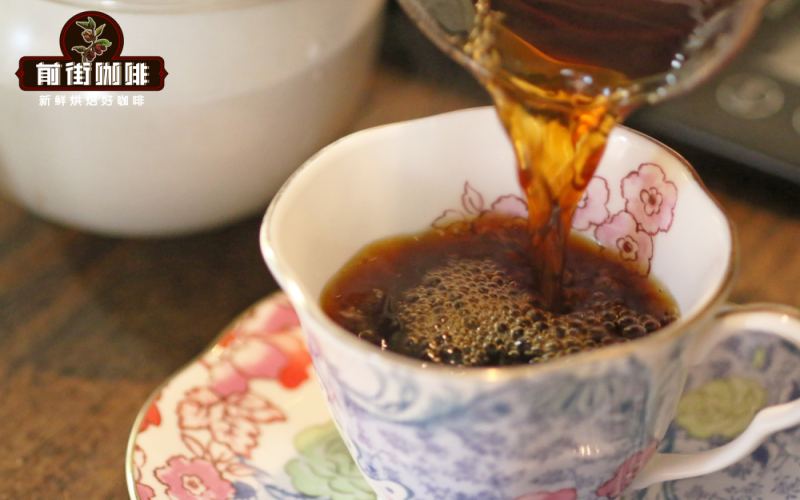
A Complete Analysis of the Ethiopian Yirgacheffe Coffee Bean: Regional Characteristics, Flavor Profile, and Pour-Over Brewing Parameters
In the landscape of specialty coffee, Yirgacheffe is a name that cannot be overlooked. Almost every café with single-origin beans reserves a spot for it on the menu. This small town in southern Ethiopia, sitting at 1,700 to 2,100 meters above sea level, how did it become a favorite of countless coffee lovers? This article, from the perspective of Front Street Coffee, takes you through Yirgacheffe's growing region background, variety characteristics, cooperative operations, and the flavor differences brought by the two major processing methods: washed and natural. At the end, it also shares specific information on three representative beans—Front Street washed Yirgacheffe, Gotiti Cooperative, and Red Cherry—along with practical pour-over tips to help you more confidently brew a clean and bright cup of Yirgacheffe. [more…]
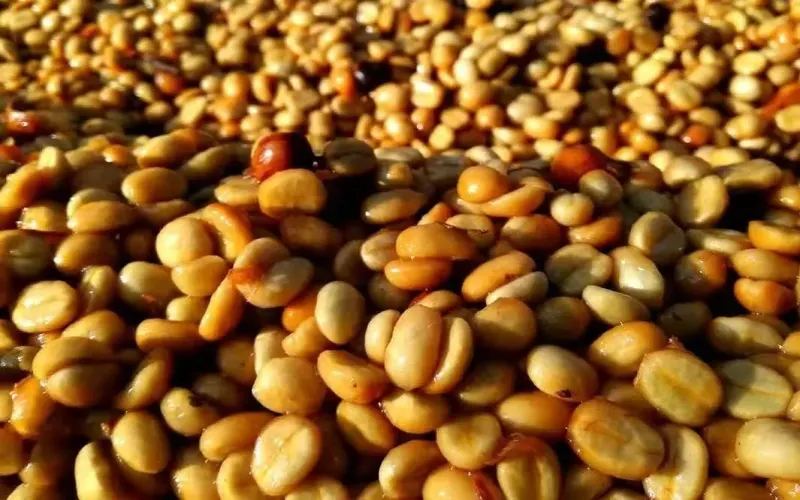
What makes Costa Rican honey-processed coffee so unique? Flavor profile and brewing analysis of Black Honey Caturra from Pilon Treatment Plant
Costa Rica, the birthplace of the honey processing method, has secured a significant place in the international market with honey-processed coffees known for their outstanding sweetness. Front Street Coffee recently selected a black honey processed Caturra from the Pilon Processing Plant in the Tarrazu region, and we're taking this opportunity to give everyone a deeper look into the unique sweetness that honey processing brings to coffee. This article will explore multiple dimensions, including the regional background of the Pilon Processing Plant, the history of the Caturra variety, the processing details of black honey, and the flavor profile and brewing recommendations of this bean, offering a complete picture of a quality black honey coffee from cultivation to cup. [more…]
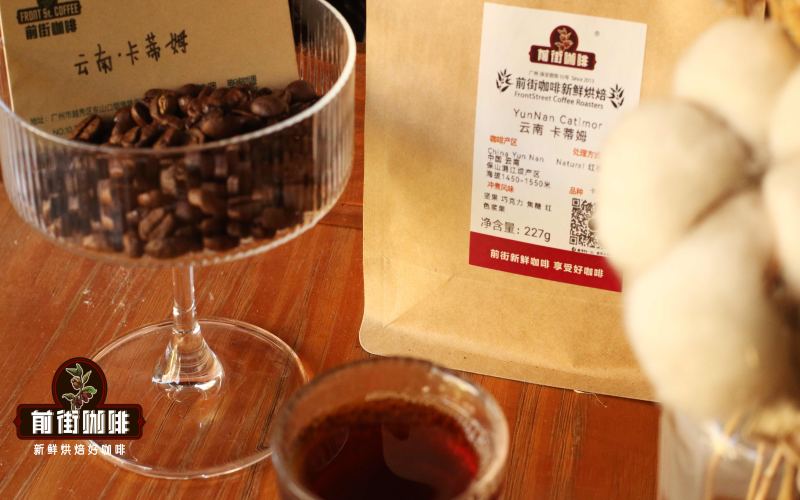
Yunnan Pu'er Small-Bean Coffee: A Full Analysis of Its Cultivation History, Processing Methods, and Roast Profile
As the core production region of Yunnan coffee, Pu'er has a planting history of more than a century and an annual output of over 50,000 tons of green coffee beans. From the first coffee tree introduced by French missionaries to Catimor becoming the main variety, what kind of evolution has Yunnan coffee undergone? What are the characteristics of washed and natural processing respectively? In this article, Front Street Coffee will take you through variety characteristics, processing methods, roasting, and brewing to systematically understand the full flavor profile of Yunnan Arabica coffee. [more…]
Front Street Yirgacheffe Guide: Flavor Profile, Processing Method Grades, and Pour-Over Grind Size by Region Explained
Yirgacheffe is one of Ethiopia's most iconic specialty coffee regions, and for many people it is practically the starting point of their journey into the world of specialty coffee. The Front Street Coffee Yirgacheffe series covers both natural and washed processing methods, each with its own distinctive flavor profile. This article will provide a comprehensive introduction to Front Street Coffee Yirgacheffe coffee beans from the perspectives of the region's background, grade classification, flavor performance under different roast levels, and the actual experience of grinding with a manual hand grinder, helping you gain a more systematic understanding of this bean's unique charm and brewing key points. [more…]